
Blog
What Are Safety Shoes in Construction?

Feb
What Are Safety Shoes in Construction? A Complete Guide
Introduction
In the construction industry, worker safety is a top priority. Among the essential protective equipment, safety shoes play a crucial role in preventing injuries. Construction footwear is designed to protect workers from hazards such as falling objects, punctures, electrical risks, and slips. But what exactly are safety boots for construction, and why are they necessary?
This article provides a detailed overview of protective boots, their types, benefits, and how to choose the best work shoes for construction. Whether you are a site manager, an engineer, or a construction worker, understanding the importance of industrial safety shoes can significantly enhance workplace safety and productivity.
What Are Safety Shoes in Construction?
Definition of Safety Shoes
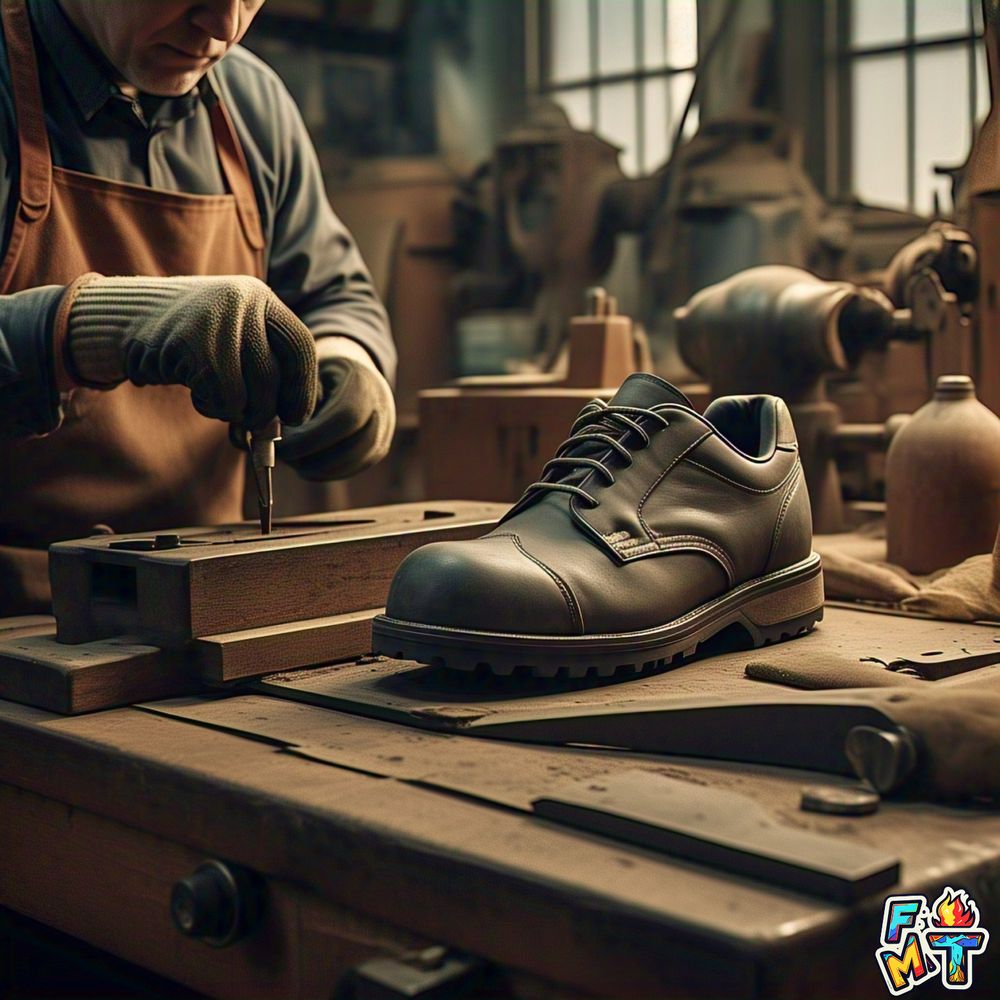
Safety shoes are a type of protective footwear for workers designed to prevent injuries caused by workplace hazards. These shoes are often reinforced with materials like steel, composite, or aluminum to provide impact resistance, puncture protection, and slip prevention.
Importance of Safety Shoes in Construction
Construction sites pose several dangers, including heavy machinery, sharp objects, slippery surfaces, and electrical risks. Wearing construction worker boots ensures that workers are protected against:
- Falling objects – Steel toe boots or composite toe boots protect feet from heavy tools or debris.
- Punctures and sharp objects – Puncture-resistant shoes prevent nails or sharp materials from injuring workers.
- Slips and falls – Slip-resistant shoes reduce the risk of slipping on wet or uneven surfaces.
- Electrical hazards – Electrical hazard boots prevent electrocution when working with live wires.
Additionally, safety footwear regulations set by organizations like OSHA (Occupational Safety and Health Administration) require construction workers to wear appropriate PPE footwear to minimize workplace risks.
Types of Safety Shoes for Construction Workers
Steel Toe Boots
Steel toe boots are among the most popular choices for construction site footwear. These boots have a reinforced steel cap in the toe area, offering superior protection against falling objects and compression injuries.
Benefits:
- High impact resistance
- Durable and long-lasting
- Provides superior protection in high-risk environments
Composite Toe Boots
Unlike steel toe boots, composite toe boots use materials like Kevlar, fiberglass, or carbon fiber for protection. These boots are ideal for workers who need lightweight safety without compromising protection.
Benefits:
- Lighter than steel toe boots
- Non-metallic, making them ideal for electrical work
- Does not conduct heat or cold, suitable for extreme temperatures
Slip-Resistant Shoes
Construction sites often have slippery surfaces due to water, oil, or debris. Slip-resistant shoes feature anti-slip soles that provide extra grip, reducing the risk of falls.
Benefits:
- Prevents slip-and-fall accidents
- Enhances stability on uneven terrain
- Ideal for wet or oily work environments
Puncture-Resistant Shoes
Workers dealing with sharp objects like nails, glass, or metal scraps require puncture-resistant shoes. These shoes have a reinforced sole to prevent penetration.
Benefits:
- Protects against puncture wounds
- Essential for hazardous construction sites
- Complies with safety footwear regulations
Electrical Hazard Boots
Electrical hazard boots protect workers from electrocution by preventing electrical current from passing through the body. These boots meet strict OSHA standards for electrical safety.
Benefits:
- Reduces risk of electrical shocks
- Suitable for electricians and workers handling live wires
- Complies with industry safety regulations
Waterproof Safety Shoes
For workers exposed to wet conditions, waterproof safety shoes keep feet dry and comfortable throughout the workday.
Benefits:
- Prevents water-related discomfort and infections
- Ideal for rainy or wet environments
- Ensures long-lasting durability
Shock-Absorbing Work Boots
Workers who stand for long hours need shock-absorbing work boots to reduce foot fatigue and joint strain. These boots use advanced cushioning materials to provide extra comfort.
Benefits:
- Enhances comfort and reduces foot fatigue
- Ideal for workers who stand for extended periods
- Reduces the impact on joints
Heavy-Duty Work Shoes
For extreme construction environments, heavy-duty work shoes provide maximum durability and protection.
Benefits:
- Designed for harsh conditions
- Offers enhanced durability and longevity
- Suitable for demanding construction projects
How to Choose the Best Safety Shoes for Construction
Understanding Your Work Environment
Choosing the right construction footwear depends on the risks present at the job site. Identify whether you need protection from falling objects, electrical hazards, slippery floors, or sharp materials.
Comfort and Fit Considerations
Ill-fitting work boots can cause discomfort and blisters. Always choose safety shoes with:
- Proper arch support
- Breathable materials (breathable safety shoes)
- Padded insoles for extra comfort
Material and Durability
Consider the type of material used in safety boots for construction:
- Leather – Durable and water-resistant
- Synthetic materials – Lightweight and cost-effective
- Rubber soles – Provides better grip and slip resistance
Compliance with Safety Standards
Always choose OSHA-approved boots that meet industry standards like:
- ANSI (American National Standards Institute)
- ASTM (American Society for Testing and Materials)
Comparing Brands and Prices
Popular brands for construction site footwear include:
- Timberland PRO
- Wolverine
- Caterpillar
- KEEN Utility
- Red Wing Shoes
Proper Maintenance and Care for Safety Shoes
Cleaning and Storage Tips
- Regularly clean protective boots with mild soap and water
- Store them in a dry, well-ventilated area
- Avoid exposure to extreme heat or moisture
When to Replace Safety Shoes
- Worn-out soles
- Visible cracks or damage
- Reduced slip resistance
Frequently Asked Questions (FAQs)
1. Why are safety shoes important in construction?
Safety shoes protect workers from injuries caused by falling objects, slips, electrical hazards, and sharp materials. They are essential for workplace safety and comply with safety footwear regulations.
2. What is the difference between steel toe and composite toe boots?
Steel toe boots offer stronger protection against impact but are heavier. Composite toe boots are lighter, non-metallic, and better for electrical work.
3. How often should construction workers replace their safety shoes?
It depends on wear and tear, but typically, work boots should be replaced every 6-12 months or sooner if they show signs of damage.
4. Are slip-resistant shoes necessary for construction work?
Yes, slip-resistant shoes prevent falls on wet or uneven surfaces, making them essential for construction workers.
5. What are the best work shoes for construction?
The best construction footwear depends on the job requirements. Steel toe boots, waterproof safety shoes, and electrical hazard boots are among the most recommended options.
Conclusion
Wearing the right safety shoes is essential for worker protection on construction sites. Whether it’s steel toe boots, composite toe boots, or slip-resistant shoes, investing in high-quality construction footwear can prevent injuries and enhance job performance. Always choose OSHA-approved boots that meet safety footwear regulations to ensure maximum protection and comfort.
Please visit Dinounicorn.com or Freshmilktee.com to support us. Thank you!
