
Blog
What Does a Termite Look Like?

Jan
What Does a Termite Look Like? Comprehensive Identification Guide
What Are Termites?
Termites are small, wood-eating insects often referred to as “silent destroyers” due to their ability to damage structures without being easily noticed. They are part of the order Blattodea, closely related to cockroaches. The most common types of termites include subterranean, drywood, and dampwood termites. These insects are notorious for their destructive ability to cause significant damage to buildings, furniture, and other wooden structures.
Why It’s Important to Identify Termites
Recognizing a termite infestation early is crucial for effective pest control and preventing costly damage. Whether you’re a homeowner, property manager, or someone concerned about termites in your environment, knowing how to identify termites is the first step to resolving the problem. A termite’s appearance can help distinguish them from other insects, such as ants, which can look similar.
How to Identify a Termite: Key Physical Features
What Does a Termite Look Like?
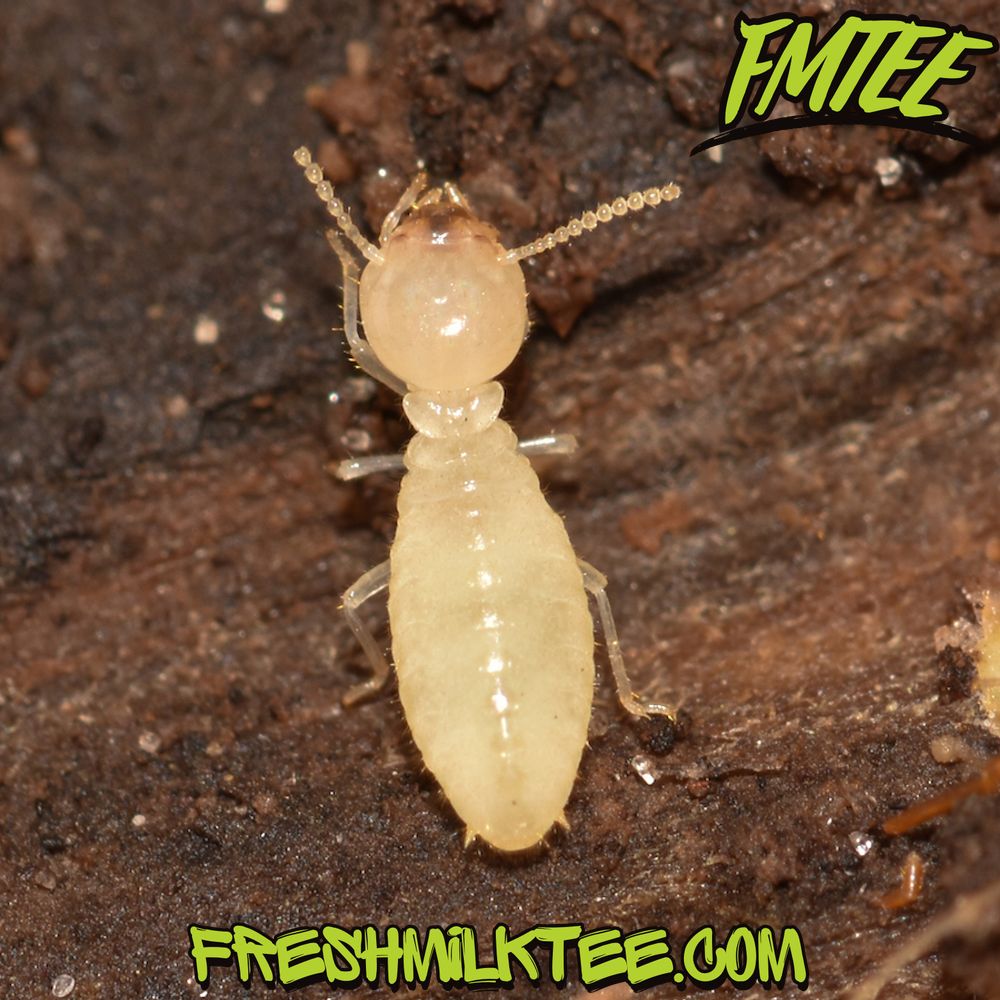
A typical adult termite has a soft, pale body that may appear white, brown, or yellowish. The body is segmented, with three distinct parts: the head, thorax, and abdomen. Termites are equipped with straight antennae and a pair of wings if they are in the reproductive stage (often referred to as “swarmers”). They have a relatively soft exoskeleton compared to other insects, which allows them to burrow into wood and make galleries.
Common Characteristics of Termites
Termites are usually small, measuring between 1/8 inch to 1 inch long. Their body is divided into three main parts: the head, thorax, and abdomen. The head contains the mouthparts for eating wood and other cellulose-based materials. The thorax is where the legs and wings are attached, while the abdomen houses the digestive system. Termites have straight, beaded antennae and are often pale or translucent, which makes them hard to spot in their natural habitat.
What Color Are Termites?
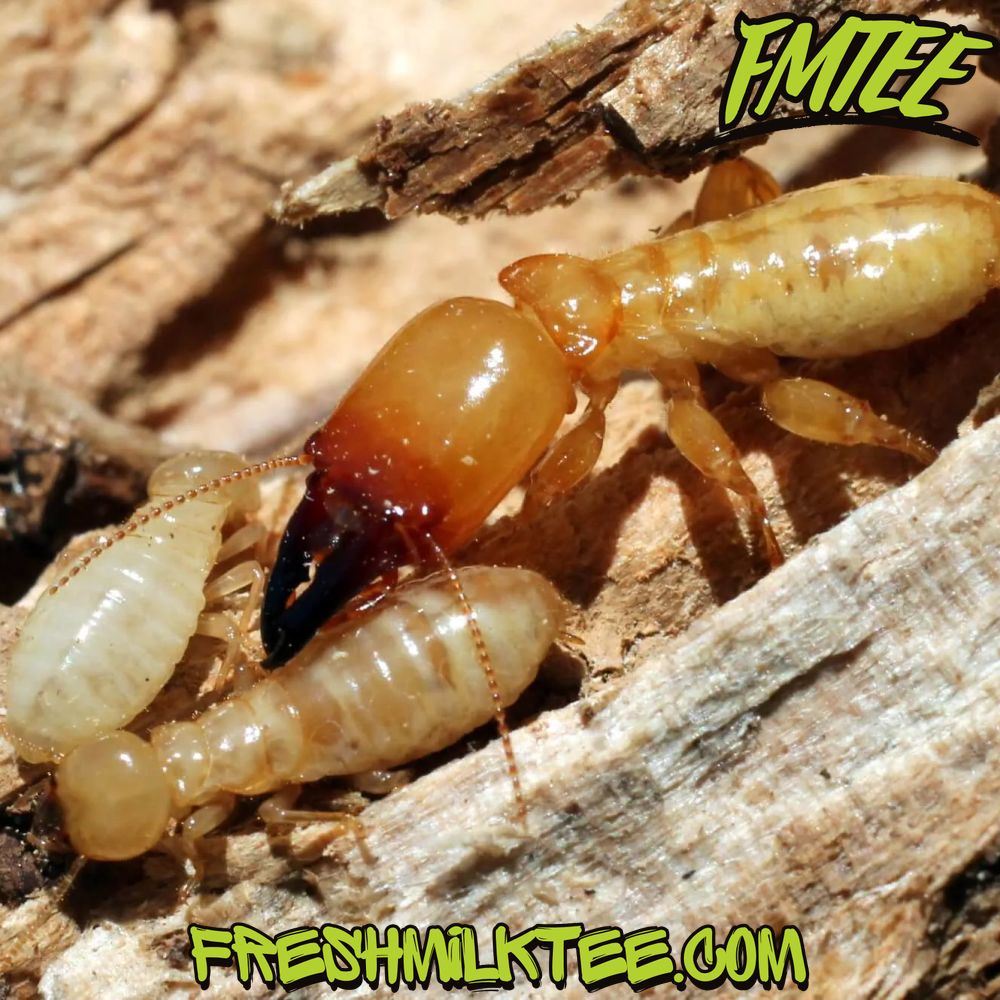
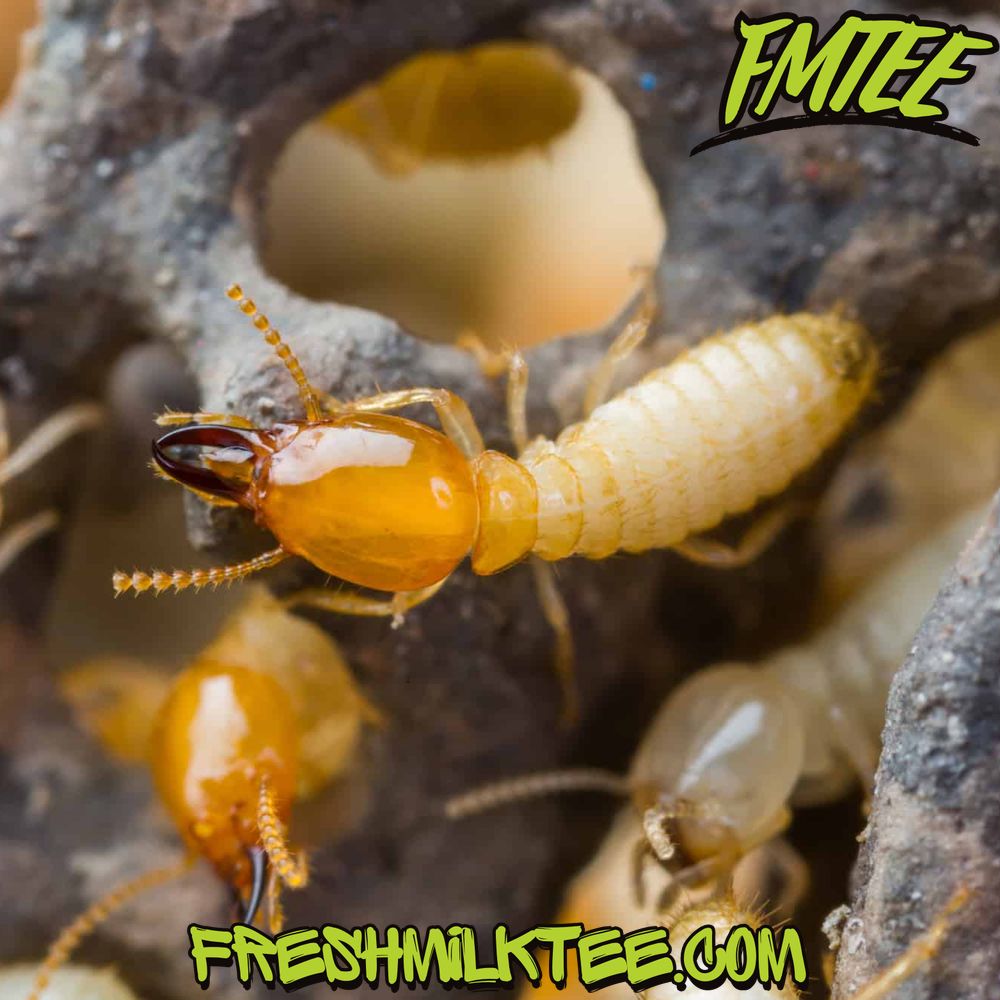
Termites come in various colors depending on their species and role in the colony. Subterranean termites are usually light brown or white, while drywood termites tend to be darker brown. Their body color can also vary depending on their stage of development. Worker termites are pale, almost translucent, while soldier termites have darker bodies with larger heads.
Distinguishing Termites from Similar Insects
Termite vs Ant: Key Differences in Appearance
One of the most common misconceptions is confusing termites with ants, especially winged ants that swarm during certain seasons. However, there are several ways to tell the two apart:
- Antennae: Termites have straight antennae, while ants have elbowed antennae.
- Body Shape: Termites have a straight body, while ants have a noticeable constriction between the thorax and abdomen.
- Wings: Termite wings are of equal size, whereas ant wings are different in size.
- Color: Termites are typically lighter, while ants can be black, brown, or red.
Knowing these differences can help homeowners identify whether they are dealing with termites or ants.
Flying Termites: What Do They Look Like?
Flying termites, also known as swarmers, are reproductive termites that leave the nest to mate and establish new colonies. They are larger than worker termites and have two pairs of wings that are roughly the same size. Swarmers typically have pale-colored bodies and dark-colored wings. The wings of a flying termite are longer than the body, and they are often shed after the termites find a suitable spot to start a new colony.
Life Stages of Termites and Their Physical Features
What Do Termite Eggs Look Like?
Termite eggs are very small, measuring just a fraction of an inch in length. They are white and oval-shaped, resembling tiny rice grains. These eggs are often laid in clusters and can be found within the galleries where the queen termite resides. While they are not easily visible to the naked eye, their presence can indicate the early stages of an infestation.
What Do Baby Termites Look Like?
Baby termites, or nymphs, look similar to adults but are smaller and do not have fully developed wings. They are typically pale and white, resembling miniature worker termites. Nymphs go through various developmental stages, becoming workers, soldiers, or swarmers, depending on their role in the colony.
Termite Larvae Appearance
Termite larvae, also known as immature termites, resemble tiny versions of adult termites but without fully formed wings. These larvae are white or pale-colored and are usually found in the nest where they are cared for by worker termites. They are not visible unless the colony is disturbed.
Common Types of Termites and Their Appearances
Subterranean Termites: Physical Characteristics
Subterranean termites are the most destructive termite species and are typically light brown or white in color. They live underground and build mud tubes to travel between their nests and food sources. These termites are small, typically measuring around 1/8 inch in length, and they have straight antennae and soft, pale bodies. Their nests are often located in moist soil or wooden structures.
Drywood Termites: Key Visual Features
Drywood termites differ from subterranean termites in that they live inside the wood they infest. They are often darker in color, typically a reddish-brown or dark brown. Unlike subterranean termites, drywood termites do not need contact with the soil and can be found in dry wood. Their bodies are slightly larger, and they do not build mud tubes.
Signs of a Termite Infestation: What to Look For
Signs of Termite Infestation in Your Home
If you’re concerned about termites, several signs can indicate an infestation:
- Mud Tubes: Subterranean termites build mud tubes to travel from the ground to their food source. These tubes are usually visible along the foundation or walls of your home.
- Wood Damage: Termites eat wood from the inside out, leaving the outer surface intact but hollowing out the interior. Tap on wood surfaces to check for a hollow sound.
- Swarmers: If you see flying termites around your home, this could indicate a nearby infestation.
- Frass: Drywood termites often leave behind frass, a type of sawdust-like excrement, which can be found around infested wood.
What Does a Dead Termite Look Like?
Dead termites are often found near the colony or along the pathways they used to travel. They may appear pale, dried out, and fragile. Their bodies are soft and segmented, and their wings (if present) may be broken or detached.
Preventing and Dealing with Termite Infestation
Identifying Termites for Pest Control
Early identification of termites can help prevent major damage to your property. If you suspect a termite infestation, it’s important to act quickly. You can rely on professional pest control services for termite identification and treatment. Orkin’s Termite Identification Guide provides comprehensive details on how to identify termites and what steps to take next.
Termite Identification Guide for Homeowners
For a more detailed guide on identifying termites and understanding the different types of termites, you can visit Domyown’s Termite Identification Guide. This resource helps homeowners recognize termite species and take appropriate action to eliminate them.
Conclusion
Summary of Termite Appearance and Identification
Understanding what termites look like is essential for preventing and managing infestations. Termites come in various forms, from swarmers to larvae, each with distinct physical characteristics. Recognizing these traits and differentiating termites from other insects, like ants, can save you from costly damages.
Frequently Asked Questions (FAQs)
- What do termites look like?
- Termites are small insects with pale, segmented bodies. They have straight antennae and may have wings in their reproductive stage.
- How can I differentiate termites from ants?
- Termites have straight antennae and a broad, straight body, while ants have elbowed antennae and a pinched waist.
- What color are termites?
- Termites can range in color from white to brown or reddish-brown, depending on their species and developmental stage.
- What do termite eggs look like?
- Termite eggs are small, white, and oval-shaped, often found in clusters.
- How can I identify a termite infestation?
- Look for mud tubes, wood damage, flying termites, or frass around wooden structures.
If possible, please visit the websites dinounicorn.com or freshmilktee.com to support us.
